
Switch Natural
Switch NaturalBeauty
4.329.00 Reviews
- Version
- 10.2.4
- Installs
- 10.00K
- Age Rating
- Everyone
Screenshots
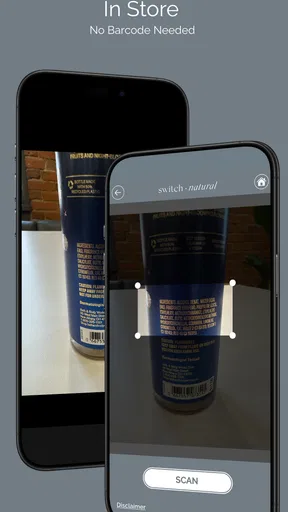
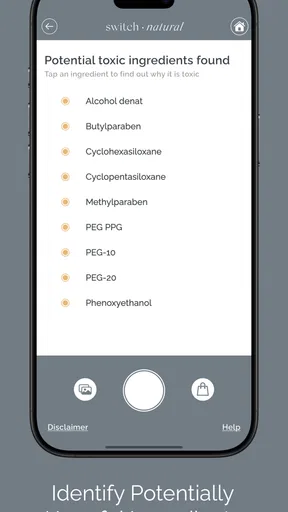
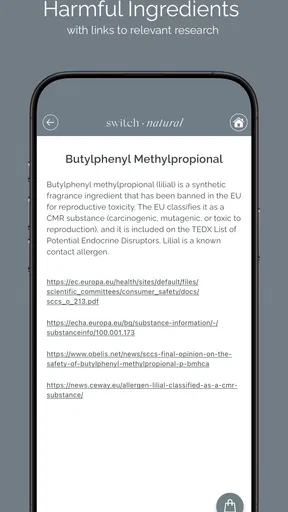
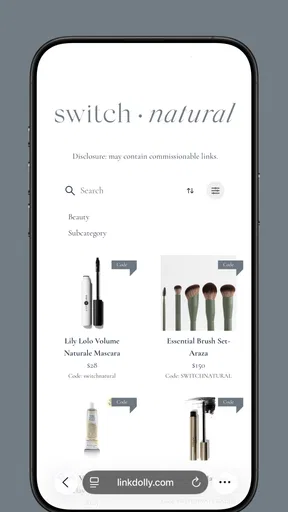
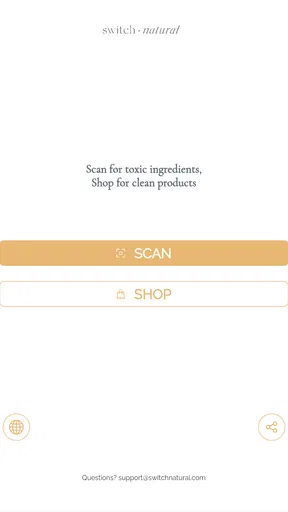

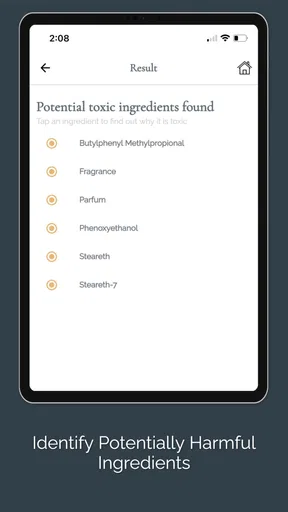

Our Review of Switch Natural
 Analysis by Appyee
When I first opened Switch Natural, I understood its appeal quickly: it is a beauty app built around making more informed choices about everyday products. The idea is simple, but the useful part is how it can fit into a real shopping routine rather than demanding a complete lifestyle change overnight. I can imagine using it while standing in a bathroom aisle, checking an item I already buy, and then deciding whether it is worth switching to another option.
The app comes from Switch Natural, is free to download, and is suitable for Everyone. It has reached over ten thousand installs, with a 4.3 average from more than forty ratings and nearly thirty written reviews. Those numbers suggest a small but positive user base rather than a huge mainstream platform. That matters because I approached it as a focused product-discovery tool, not as a complete beauty retailer or a social network.
My overall impression is that it works best when several people in a household are trying to make more thoughtful personal-care purchases together. It can help start a conversation about what is already in the bathroom cabinet, what someone wants to replace, and which changes feel realistic. The strongest use of Switch Natural is not buying everything differently at once; it is turning one ordinary product decision into a manageable next step.
Using it around a shared bathroom and shopping routine
A shared home is where the concept becomes especially practical. In a household, products are rarely used by only one person. Shampoo, soap, deodorant, skincare and similar items may be bought by one person but used by several others. That creates a small coordination problem: one person may care about ingredients or environmental impact, while another mainly wants something familiar, affordable or comfortable to use.
I would use Switch Natural before a shopping trip rather than trying to make decisions in the store under pressure. One person could look at the products currently used at home, identify the items that are easiest to replace, and discuss the change with everyone who relies on them. This approach avoids the common mistake of switching a shared product without telling the people who use it.
A realistic example would be a household where one adult buys most toiletries and two other people use them. Instead of replacing the entire shelf, I would begin with a product that is nearly finished. I would check the available guidance, compare the possible alternative with the current routine, and then agree on whether the replacement is acceptable to everyone. If the result is disappointing, the household has changed only one item rather than wasting a full collection of products.
This is also useful for roommates. Shared purchases often become vague responsibilities, and nobody wants to discover that a familiar item has disappeared without warning. A quick discussion based on what Switch Natural encourages you to examine can make the decision less personal. The conversation becomes “should we try a different option for the next purchase?” instead of “why did you replace my product?”
That said, the app does not remove the need for common sense. A household still has to consider preferences, sensitivities and routines individually. A product that seems like a sensible general replacement may not suit everyone. I would treat the app as a guide for narrowing choices, not as permission to ignore the person who will actually use the item.
Starting with one person’s routine
Although shared use is a strong scenario, I would not begin by asking the whole household to change. The smoother approach is to let the most interested person test the process first. That person can learn how the app presents its recommendations and decide whether the suggestions are practical before bringing them to others.
This matters because beauty routines are personal. Someone may be willing to change hand soap but not facial care. Another person may be happy to try a different deodorant but dislike changing hair products. I found the most sensible workflow to be gradual: choose a low-risk category, finish what is already open, and evaluate the replacement before expanding the experiment.
One non-obvious advantage of this method is that it protects trust. If the first change causes irritation, feels inconvenient or simply does not perform well, the household can learn from that single test. Nobody has to feel that a broad promise about “safer” products has forced them into an uncomfortable routine.
Setup boundaries and keeping expectations realistic
The current version is 10.2.4 and requires at least iOS or Android 11. That is worth checking before planning to use it on an older spare phone in a shared bathroom or kitchen. A household may have newer personal phones but keep an older device for communal use, so compatibility can affect how convenient the arrangement is.
I would also decide in advance which device is being used for what. If several people pass one phone around, the experience can become confusing when different users browse products with different priorities. A better boundary is to use one person’s device for personal exploration and then share the conclusions verbally with the household. This keeps the browsing process clear without assuming that the app provides separate family spaces or profiles.
That distinction is important. I would not treat Switch Natural as a household account-management system. It is better understood as a beauty decision aid. If you need formal user separation, shared lists, approval steps or detailed purchase tracking, you may prefer a notes app, a shopping-list tool or a retailer account alongside it. Switch Natural can inform the decision, but it should not be expected to organize every part of a family’s shopping process.
There is also a useful boundary between research and commitment. I would browse the app at home, write down the products worth investigating, and then check the final item in person before buying. Packaging can change, product names can look similar, and personal needs are not always obvious from a general recommendation. The app can make the first filter easier, but I would still read the product label and consider whether the item is appropriate for the person using it.
The free entry point makes this experimentation easier. You do not need to pay simply to begin exploring the idea. However, in-app purchases range from $2.99 to $49.99 per item, so I would pay attention before confirming anything beyond the free experience. That range is broad enough that a household should agree on who is allowed to make purchases and whether paid features are actually useful for its needs.
For a shared device, this is a practical household rule: nobody should assume that “free to download” means every part of the experience is free. I would keep purchase decisions with the person responsible for the household budget. That is not a criticism of the app; it is simply a sensible boundary whenever an app offers optional paid items.
Creating a simple household workflow
My preferred workflow would be deliberately modest. First, one person identifies a product category that is due for replacement. Second, the household discusses the basic requirements, such as scent preference, texture, frequency of use or whether a particular person needs to avoid certain ingredients. Third, the interested user checks Switch Natural and makes a short list of possibilities. Finally, the actual user gets the final say before the purchase.
This process gives the app a clear role without making it responsible for decisions it cannot make for you. It also prevents a common problem with beauty recommendations: collecting attractive alternatives that nobody in the home has agreed to use. The goal is not a longer list. The goal is one change that survives contact with everyday life.
I would keep notes outside the app about what was tried and why. That is especially helpful when two people share similar products but react differently to them. A short note such as “worked for one person, too drying for another” is more useful than relying on memory several weeks later. Switch Natural can begin the comparison, while the household’s own experience should finish it.
Coordination without turning beauty into an argument
One of the most useful aspects of this kind of app is that it gives people a neutral starting point. In a household, discussions about beauty products can become surprisingly emotional because they involve comfort, appearance, habits and money. A recommendation tool can move the conversation away from personal criticism and toward a shared question: is there an alternative worth considering?
I would still avoid presenting the app’s suggestions as absolute answers. Words such as “safer” can mean different things to different people, and personal suitability is not identical to a general product philosophy. Someone with a known allergy, a medical skin condition or a carefully prescribed routine should treat professional advice as more important than an app recommendation.
For ordinary household coordination, the app is more helpful when users explain their priorities clearly to one another. One person may care about avoiding particular ingredients, while another may care about packaging or ease of purchase. Those aims can overlap, but they are not automatically the same. A good discussion makes the trade-off visible instead of pretending that every alternative is better in every way.
I also like the idea of using the app to separate “must have” requirements from “nice to have” preferences. If a shared shampoo must work for two different hair types, that requirement comes first. If a product also has a preferred scent or a more appealing package, those details can be considered afterward. This ranking prevents the household from rejecting useful options for a minor reason or accepting an unsuitable one because it looks appealing.
For roommates, coordination may be even more important than discovery. A person who lives alone can change a product without consulting anyone. In a shared home, the buyer should say what is changing, why it was chosen and when the new product will be available. I would use Switch Natural as preparation for that conversation, not as a substitute for it.
Where the usual alternatives may be better
The usual alternative is simply searching the web, reading retailer descriptions or asking a beauty professional. Those options can provide more breadth, especially when someone wants detailed ingredient analysis, clinical context or advice for a specific skin concern. A retailer may also be better when the immediate goal is checking availability and completing a purchase quickly.
Switch Natural has a different advantage: it focuses the decision around switching products rather than leaving the user with a huge, unfiltered search result. That can be less overwhelming for someone who wants a practical starting point. The trade-off is that a focused app may not answer every specialized question, so I would combine it with label reading and professional guidance when the situation calls for more precision.
It is also not a replacement for a dedicated shopping-list app. If your household mainly struggles with remembering quantities, assigning purchases or tracking a monthly budget, a list or finance tool will probably serve you better. Switch Natural is most valuable earlier in the process, when you are deciding what kind of product deserves a place on the list.
Age, trust and sensible use by different household members
The Everyone age rating makes the app approachable for a broad household audience. I can imagine an older child browsing with an adult, a teenager exploring personal-care choices, or an adult using it independently. Still, an age rating is not the same as a recommendation to let every family member make unsupervised purchases or follow every suggestion without discussion.
For younger users, I would make the boundary simple: browsing and asking questions are fine, but an adult handles purchases and checks whether a product is appropriate. This is especially important because beauty products can affect the skin, eyes and hair differently from person to person. The app can encourage curiosity, but it cannot know every individual sensitivity or family rule.
With teenagers, the conversation can be more collaborative. Rather than dismissing their interest or imposing a replacement, I would ask them to explain what they want to change and what matters to them. Then we could use Switch Natural to explore the idea together. This makes the process educational without turning it into a lecture about every product already in the bathroom.
Trust also applies to adults sharing a device. I would avoid assuming that everyone wants their browsing history, preferences or purchases mixed together. If the phone belongs to one person, that person should decide whether others use it. If it is a communal device, users should be comfortable with the possibility that the next person may see what was previously opened. The app may be suitable for shared discovery, but privacy expectations still need to be handled by the people in the home.
Families should also agree on what counts as a successful switch. It might mean finding a product that everyone tolerates, reducing uncertainty about ingredients, or simply becoming more deliberate before buying. If the goal is vague, the app can create more browsing without creating a better routine. A clear household aim gives every recommendation a fair test.
Who will appreciate it, and who should skip it
I would recommend Switch Natural to someone who wants a gentler entry into more conscious beauty shopping. It is particularly suitable for people who feel overwhelmed by the number of personal-care products available and want a focused way to consider alternatives. It also makes sense for a household where one person is motivated to research, but several people need to agree before a shared product changes.
I would be more cautious about recommending it to someone seeking medical skincare guidance, highly technical ingredient interpretation or guaranteed results for a specific condition. That user may need a dermatologist, pharmacist or specialist resource first. I would also suggest skipping it if you only want the fastest possible purchase and have already decided exactly what to buy; a recommendation-focused app may add an extra step without improving that particular task.
People who dislike optional purchases should also inspect the experience carefully before going further than the free portion. The app costs nothing to download, but paid items are available. That is manageable when the user knows what is optional, yet it can be frustrating for anyone expecting every part of the product-discovery journey to remain free.
Finally, households using phones below the required operating-system level should not plan around a communal installation until compatibility is resolved. The app is a better fit for a current personal device than for an old phone that has been kept solely as a shared household screen.
A measured household verdict
After considering how I would use it day to day, I see Switch Natural as a practical conversation starter with a clear beauty focus. It does not need to control the whole household to be useful. Its role is smaller and more realistic: help someone notice an alternative, think about why they want to switch, and bring that option to the people who share the routine.
The best results will come from using it slowly. Pick one product that is nearly finished, agree on the requirements, check the app, and let the actual user decide whether the replacement deserves a fair trial. Keep purchases with the household budget holder, keep personal sensitivities in mind, and use outside professional advice when the question is medical rather than simply about product preference.
Switch Natural is free to start, rated Everyone, and maintained by Switch Natural, with version 10.2.4 requiring iOS or Android 11. Its 4.3 average and more than ten thousand installs give it a modest but encouraging presence. I would not choose it as my only resource for complex beauty decisions, and I would not confuse it with a shared shopping manager. But for a person or household that wants to make more thoughtful product changes without rebuilding its entire routine, I think it is worth trying, provided you treat its guidance as a starting point and keep the final decision personal.
Verdict
Strengths of Switch Natural
- Simple interface makes switching between tasks quick and easy.
- Natural-looking switch effects feel smoother than standard system animations.
- Lightweight design should have little impact on everyday device performance.
- Useful for users who want a more polished multitasking experience.
- Works well for creating a cleaner, more modern phone interface.
Limitations of Switch Natural
- Some features may depend on Android version and device compatibility.
- Extra animations can slightly increase battery usage over time.
- Customization options may feel limited for advanced users.
- The visual effect can become distracting during frequent app switching.
- Permissions or accessibility access may concern privacy-conscious users.
Similar Picks in This Category
View All
Beauty Makeup Editor & Camera
Photo & Video Editors - Instant Solution4.7

Perfect365: Face Makeup Editor
Perfect365, Inc.3.5

Mirror Plus - HD Mirror app
Digitalchemy, LLC4.8

Cute Lock Screen & Wallpapers
Prometheus Interactive LLC4.6

HD Camera for Android
One Music Player4.5

Phone Mirror app - True Mirror
Cards4.6
Frequently Asked Questions
What is Switch Natural, and what does it do?
Switch Natural is a wellness-focused app designed to help users build healthier daily habits through practical guidance, routines, and lifestyle suggestions. Depending on the version and available features, it may cover areas such as nutrition, movement, mindfulness, sleep, or general self-care. It is best viewed as a supportive planning and motivation tool rather than a replacement for professional medical or nutritional advice.
Is Switch Natural free to download and use?
Switch Natural may be available to download at no initial cost, but some features, programs, content, or personalized tools can require an in-app purchase or subscription. Before starting a trial, check the pricing page carefully, including renewal terms and cancellation requirements. Availability and costs may also differ between Android and iOS, as well as by country or region.
Is Switch Natural suitable for beginners?
Yes, Switch Natural can be useful for beginners because its approach generally focuses on manageable lifestyle changes instead of expecting users to completely transform their routine immediately. New users should explore the introductory content, adjust goals to match their current ability, and progress gradually. Anyone with a medical condition, injury, allergy, or special dietary requirement should seek professional advice first.
Does Switch Natural require an internet connection or create a user account?
Some parts of Switch Natural may work offline after content has been downloaded, but an internet connection is commonly needed for account creation, synchronization, updates, subscriptions, or accessing online content. The app may also request personal information to save progress and personalize recommendations. Review its permissions and privacy policy before registering, particularly if you are concerned about health or lifestyle data.
Can Switch Natural replace a doctor, therapist, or qualified nutrition professional?
No. Switch Natural should be used as a general wellness companion and not as a diagnostic or treatment service. Its recommendations may be helpful for organizing habits and encouraging healthier choices, but they cannot account for every individual medical, psychological, nutritional, or physical circumstance. Stop using any activity that causes discomfort and consult a qualified professional for personalized guidance or concerning symptoms.
